Archives
- 2026-07
- 2026-06
- 2026-05
- 2026-04
- 2026-03
- 2026-02
- 2026-01
- 2025-12
- 2025-11
- 2025-10
- 2023-07
- 2023-06
- 2023-05
- 2023-04
- 2023-03
- 2023-02
- 2023-01
- 2022-12
- 2022-11
- 2022-10
- 2022-09
- 2022-08
- 2022-07
- 2022-06
- 2022-05
- 2022-04
- 2022-03
- 2022-02
- 2022-01
- 2021-12
- 2021-11
- 2021-10
- 2021-09
- 2021-08
- 2021-07
- 2021-06
- 2021-05
- 2021-04
- 2021-03
- 2021-02
- 2021-01
- 2020-12
- 2020-11
- 2020-10
- 2020-09
- 2020-08
- 2020-07
- 2020-06
- 2020-05
- 2020-04
- 2020-03
- 2020-02
- 2020-01
- 2019-12
- 2019-11
- 2019-10
- 2019-09
- 2019-08
- 2019-07
- 2019-06
- 2019-05
- 2019-04
- 2018-07
-
br Materials and methods br Results
2022-01-13
Materials and methods Results Conclusions We developed a glutamate biosensor with chitosan as a matrix for the immobilization of the enzyme glutamate oxidase on the surface of a platinum electrode. Our miniaturized biosensor of 50 µm in diameter can be applied for monitoring glutamate in vi
-
br Redox regulation in the brain Reactive oxygen
2022-01-13
Redox regulation in the brain Reactive oxygen species are generated in SB 203580 by the mitochondrial respiratory chain, which occurs on the inner mitochondrial membrane (Murphy, 2009, Jensen, 1966, Dickinson and Chang, 2011). Interestingly, although most cancer cells are thought to primarily re
-
br Materials and methods br Results
2022-01-13
Materials and methods Results Discussion Acknowledgments Introduction As we move into an aging society, there has been a growing interest in neurological disorders [1]. Neurodegenerative diseases such as Parkinson’s disease (PD) and Alzheimer’s disease (AD) cause cognitive malfunction
-
br Material and methods br Acknowledgements and
2022-01-12
Material and methods Acknowledgements and funding The authors thank Katharina Elsässer for technical support and Emma Esser for careful editing of the manuscript. We also thank Marcus Conrad for providing Liproxstatin-1 and advisory comments and discussion on the manuscript. This work was part
-
Meanwhile a myriad of studies using tissue and
2022-01-12
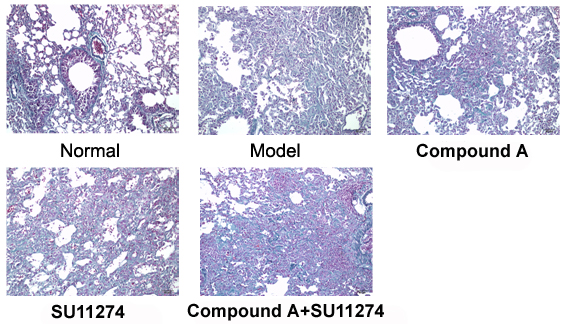
Meanwhile a myriad of studies using tissue- and cell type-specific deletion of GPX4 have provided evidence that various tissues/cells, such as distinct neuronal cell populations including glutamatergic neurons of the forebrain [24], Purkinje cells of the cerebellum [74] and motor neurons [75], photo
-
Artemisinine australia Results of studies on fish FBPase are
2022-01-12

Results of studies on fish FBPase are somewhat confusing: although fishes skeletal muscles possess relatively high FBPase activity (Knox et al., 1980, Lushchak et al., 2001) and the isozyme present therein has kinetic properties typical to all vertebrates muscle FBPases (Rosenmann et al., 1977), inv
-
Sumoylation of transcription factors has been
2022-01-12

Sumoylation of transcription factors has been generally linked to transcriptional repression and, in a few cases, to transcriptional activation [60] Accumulating evidence implies that corepressor complex subunits, including CoREST, CtBP, Daxx, NCoR1, SMRT and histone deacetylase complexes (HDACs), p
-
The stable association of Hat complexes with histones H and
2022-01-12
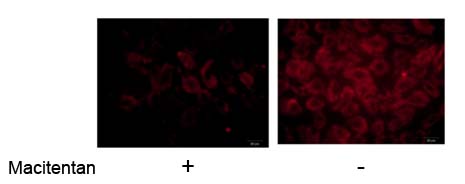
The stable association of Hat1 complexes with histones H3 and H4 raises a number of interesting issues. The first is the question of how Hat1 remains stably associated with histones H3 and H4. While the simple answer is that Hat1 remains bound to histones because of its association with histone chap
-
The PAS and CC domains of
2022-01-12

The PAS and CC domains of sGC have been studied less by comparison, though their function in sGC signal transduction is likely important. PAS domains are versatile as they can play varied roles in different proteins, such as quaternary structure organization, cofactor binding, and signal transductio
-
The pharmacokinetics of was obtained in mouse rat and
2022-01-12
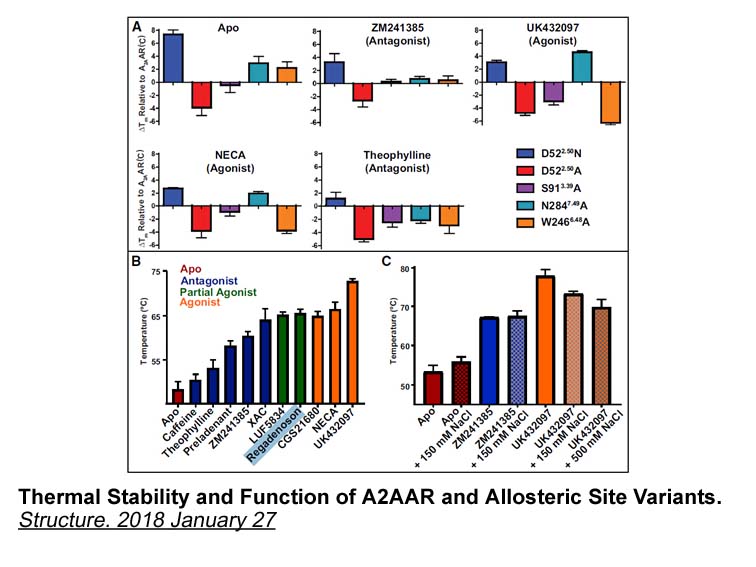
The pharmacokinetics of was obtained in mouse, rat and dog to determine if it had a suitable profile to investigate the effects of the GPR120 mechanism (). had an adequate half-life, low clearance in all 3 species, and high blood levels and bioavailability. The low volume of distribution (V) indi
-
In addition to these effects on metabolic function in
2022-01-12
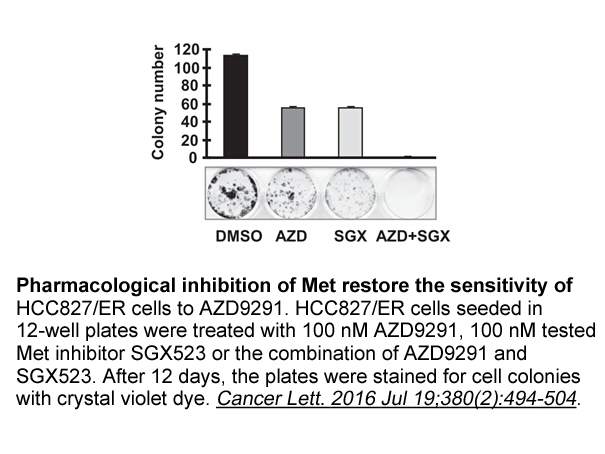
In addition to these effects on metabolic function in cardiac cells, this study also demonstrates changes in the expression of hypertrophic genes and proteins subsequent to GPR119 activation. Again this occurred in a distinct pattern dependent on palmitate exposure. Of interest SOCS3 mRNAs were decr
-
Curcumin is the active ingredient extracted from the natural
2022-01-12
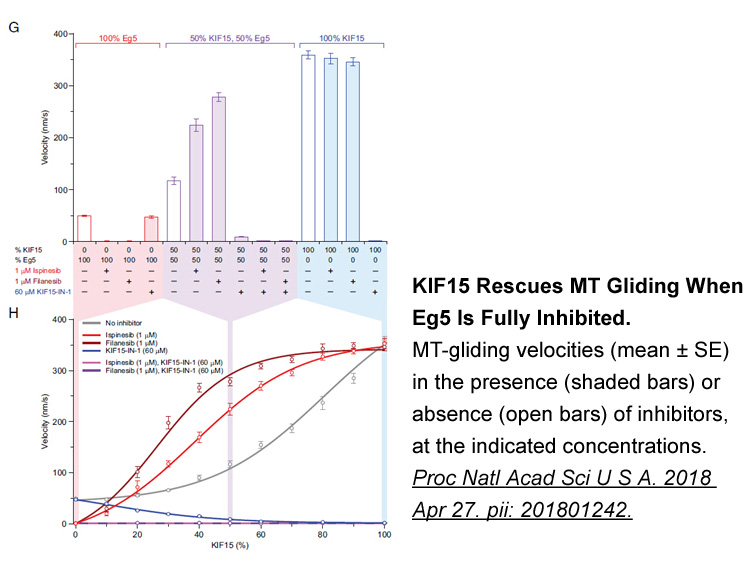
Curcumin is the active ingredient extracted from the natural medicine turmeric rhizome (Goel et al., 2008, Aggarwal and Harikumar, 2009). Studies have shown that curcumin has anti-tumor, anti-inflammatory, antioxidant and antimicrobial properties (Larsen et al., 2007, López-Lázaro, 2008). Although c
-
Introduction l Glutamate is a major
2022-01-11
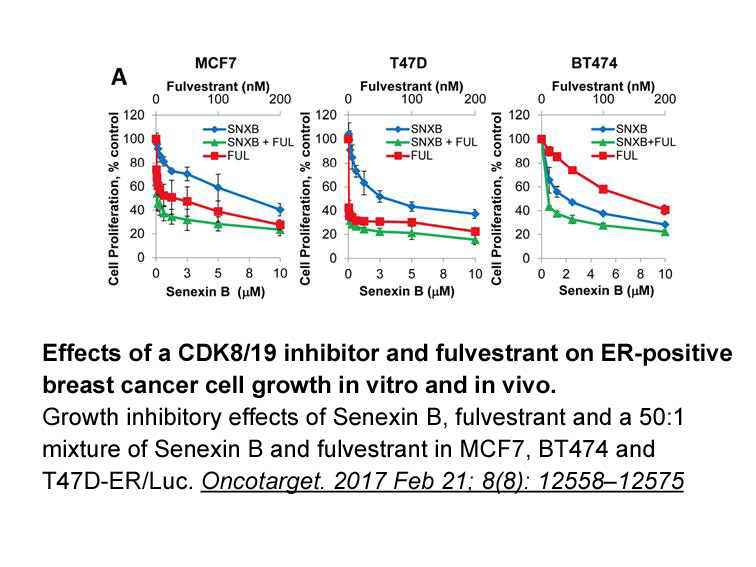
Introduction l-Glutamate is a major excitatory neurotransmitter in the mammalian central nervous system (CNS) that contributes not only to fast synaptic neurotransmission, but also to complex physiological processes like memory, learning, plasticity, and neuronal cell death [30], [81]. Glutamate is
-
In contrast to short term effects
2022-01-11
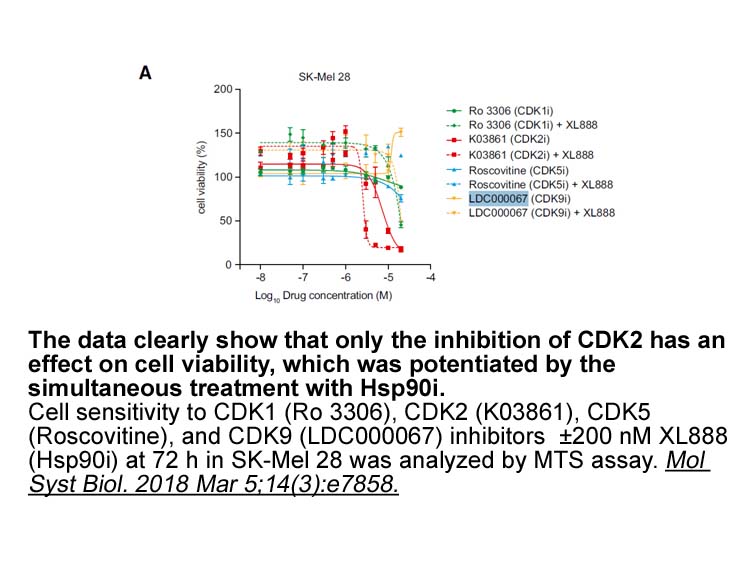
In contrast to short-term effects, long-term exposure of beta cells to FFAs impairs insulin secretion and triggers apoptosis [13]. The deleterious effects of FFAs have been linked to altered glucose/fatty Ceftiofur HCl oxidation cycle [13], decreased NADPH content [14], endoplasmic reticulum (ER) s
-
The EEGs of these six patients interestingly showed focal
2022-01-11
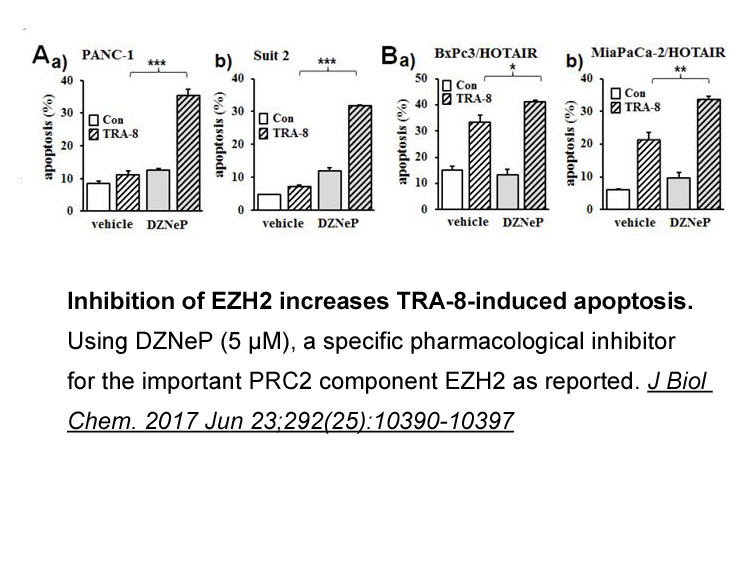
The EEGs of these six patients interestingly showed focal, multi-focal and generalized spikes, which was an exclusion criteria in our study as we selected our cohort to exclusively represent focal epilepsy. Remarkably all of these cases were diagnosed with paroxysmal exercise-induced dyskinesia (PED
11220 records 229/748 page Previous Next First page 上5页 226227228229230 下5页 Last page